 vmarketingsite
 Chime clocks are a delightful blend of artistry and functionality, offering a unique auditory experience in addition to timekeeping. These clocks are designed to produce chimes at regular intervals, often marking the hours or quarters with melodic sounds. Hence, creating a rhythmic backdrop to our daily lives. The appeal of chime clocks lies not only in their ability to tell time. It is also in the charming music they produce, invoking a sense of nostalgia and warmth.
History
The tradition of chime clocks dates back centuries, with origins in Europe during the late Middle Ages. Initially, these clocks were used in village squares and churches, serving as both timekeepers and musical instruments. Thus, marking the passage of time with their soothing tones. The first chime clocks were quite rudimentary, often featuring simple mechanisms that struck bells or wooden blocks. Over time, advancements in clock technology and craftsmanship led to more intricate designs and elaborate chime systems.
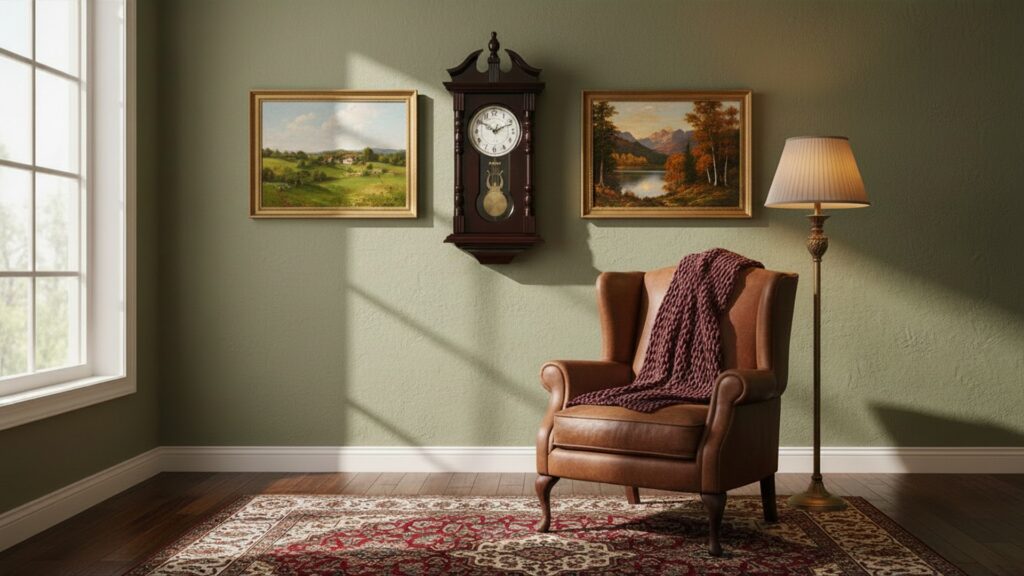
During the 18th and 19th centuries, the popularity of chime clocks soared. Thus, coinciding with the rise of skilled clockmakers in various parts of Europe. Notable clock-making centers such as London, Paris, and the Black Forest region in Germany. They became known for their exquisite chime clocks. The incorporation of musical elements into clock design turned these timepieces into not just practical objects. It is also decorative art pieces that could be proudly displayed in homes and public spaces.
Mechanism
Chime clocks typically operate using a mechanical or quartz movement. The mechanical version often features a complex assembly of gears, levers, and hammers that strike bells or rods to create sound. Depending on the design, these clocks may have one or multiple chime tunes. Thus, some even include adjustable settings to allow the owner to choose their preferred melodies.
Quartz chime clocks, on the other hand, rely on an electronic mechanism that provides precise timekeeping and often includes a variety of pre-programmed chime melodies. These modern chime clocks have gained popularity due to their accuracy and ease of use. However, they may lack the intricate craftsmanship associated with traditional mechanical versions. They can be powered by batteries, making them more portable and convenient for everyday use.
Types of Chimes
- Hour Strikes: Most chime clocks strike on the hour to signal the start of a new hour. The number of chimes often corresponds to the hour—one strike for the first hour, two for the second, and so on—helping the listener gauge the time without needing to look.
- Quarter Hour Chimes: These chimes sound every quarter hour, adding a musical element to the passing time. For example, a clock may play a short melody for the first 15 minutes, followed by progressive tunes for the half-hour and three-quarter hour marks. This feature creates a delightful atmosphere, particularly in homes where the ticking of time can often go unnoticed.
- Melodic Chimes: Some chime clocks feature melodies such as Beethoven’s “Ode to Joy,” traditional hymns, or other classical compositions, providing a more elaborate sound experience. These melodic tunes can create a serene ambiance and evoke memories or emotions, making the passage of time feel more significant.
Styles and Designs
Chime clocks come in a variety of styles, from traditional wooden mantel clocks to modern wall clocks. Many are beautifully crafted, often embellished with intricate designs, making them not only a timekeeping device but also a piece of decor. Classic designs may feature ornate carvings, gilded details, or painted faces, while contemporary versions may embrace minimalist aesthetics with sleek lines and modern materials.
Collectors often seek out vintage chime clocks due to their historical value and unique craftsmanship. Antique chime clocks can tell rich stories of the time periods they originated from and often become treasured family heirlooms passed down through generations.
Maintenance
To keep a chime clock functioning smoothly, regular maintenance is essential. This includes winding mechanical clocks, ensuring the gears are lubricated, and occasionally adjusting the chime mechanism to prevent it from becoming out of sync. Owners should also be mindful of dust and environmental factors that could affect the clock’s operation.
For mechanical chime clocks, it’s advisable to have them professionally serviced every few years to ensure optimal performance. Quartz clocks, while generally requiring less maintenance, may benefit from battery replacements during periodic checks.
Conclusion
Chime clocks are more than just a means of telling time; they enrich our environment with music and charm. Whether you find joy in the soothing sound of a gentle chime or appreciate the craftsmanship behind these timepieces, chime clocks continue to be cherished around the world. Their unique blend of timekeeping and melody allows them to stand out as not only functional items. They also cherished pieces of art that enhance any space they occupy. Embracing a chime clock in your home can transform the ordinary act of telling time into an experience filled with beauty and auditory delight.
You may also like:
This site is a participant in the Amazon Services LLC Associates Program, an affiliate advertising program designed to provide a means for sites to earn advertising fees by advertising and linking to Amazon.com.