 vmarketingsite
 Old time mantel clocks are cherished artifacts that not only serve the functional purpose of keeping time. It also reflect the craftsmanship and aesthetic values of their eras. These clocks, typically elegant and often ornately designed. They prominent in homes from the 17th century through the early 20th century. The clocks were commonly gracing mantels above fireplaces. Their presence not only adds a decorative element to a room but also evokes a sense of nostalgia for a time. Specifically, when craftsmanship was paramount and the passage of time was celebrated with beauty and artistry.
Historical Significance
Mantel clocks originated in Europe, particularly in places like France and England, as mechanical innovations in horology progressed. With the dawn of the Scientific Revolution and advancements in technology, the 17th century marked a turning point for clock-making. They became popular in the late 1600s, transitioning from larger wall clocks to smaller, portable versions suitable for indoor use. The rise of mantel clocks coincided with improvements in clock mechanisms, allowing for more intricate designs and reliability. By the 18th century, these clocks became essential furnishings in middle and upper-class homes,. Hence, signaling not just wealth but also a taste for refinement.
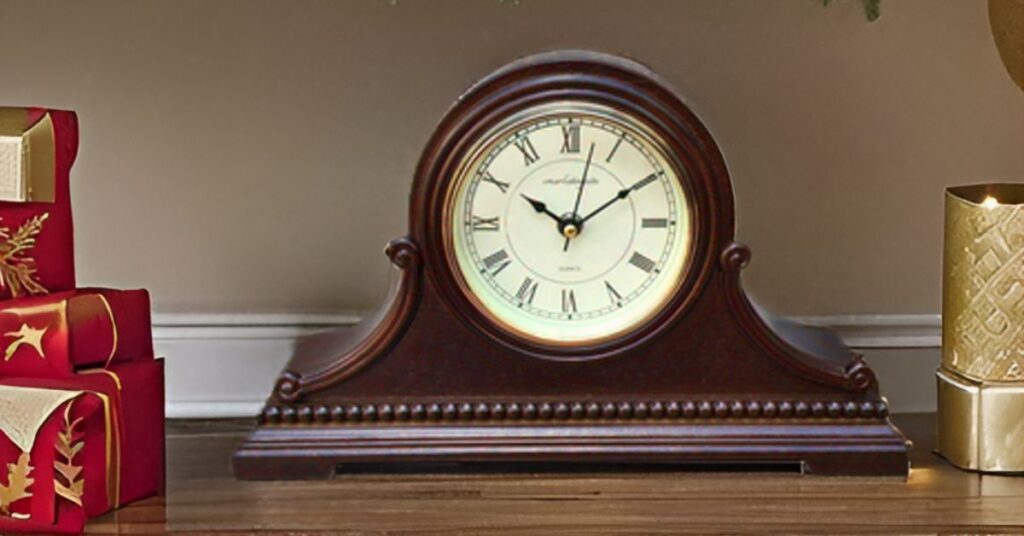
The evolution of mantel clocks reflects societal changes. As families spent more time in shared sitting rooms, there arose a need for decorative yet functional timepieces. This could complement their interiors. Furthermore, these clocks became a medium through which families could express their status and personal style. Thus, bridging the gap between function and artistry.
Design and Craftsmanship
One of the most captivating aspects of old time mantel clocks is their diverse designs. Each clock tells a story not only through its timekeeping but also through its visual and tactile elements. They often feature:
- Ornate Cases: Crafted from materials such as wood, bronze, or marble, cases are often adorned with intricate carvings, embellishments, and sometimes even paintings. Common woods used include mahogany, walnut, and oak, which can be finished to highlight the natural grain.
- Clock Faces: The dials can be beautifully painted, made of enamel, or decorated with Roman numerals, enhancing their visual appeal. Some faces are simple and elegant, while others feature elaborate designs with motifs relating to mythology, nature, or allegorical figures.
- Mechanical Details: Many mantel clocks showcase exposed movements, allowing observers to appreciate the intricate gears and mechanics that power them. This mechanical transparency reflects the early pride in engineering prowess and craftsmanship, as well as a fascination with the inner workings of timekeeping technology.
Varieties of Mantel Clocks
Mantel clocks come in many styles, each reflecting the cultural nuances of the time they were made. Some popular varieties include:
- Gothic Clocks: Characterized by their pointed arches and decorative stonework, these clocks often embody the grandiosity and intricacy of Gothic architecture. They might feature ornate details like spires and cherubim, connecting the piece to the spiritual themes of the era.
- Victorian Clocks: These often incorporate elaborate designs with floral motifs and rich wood finishes that capture the opulence of the Victorian era. Many Victorian clocks feature sentimentality and romanticism in both design and function, reflecting the era’s fascination with elegance and the home aesthetic.
- Art Deco Clocks: Featuring geometric shapes and bold colors, Art Deco designs were popular in the 1920s and 1930s, representing modernity and elegance. Utilizing new materials like chrome and Bakelite, along with streamlined forms, these clocks symbolize the spirit of innovation and the era’s move towards a more industrial society.
Cultural Impact
Beyond their aesthetic worth, old time mantel clocks have significant cultural impact. They often symbolize the passage of time in family homes, becoming heirlooms passed down through generations. The act of winding the clock, maintaining it, and listening to its chimes fosters a tactile connection to time and memory. Their chiming sounds, marking the hours, create a nostalgic atmosphere and often evoke cherished memories tied to family gatherings and traditions.
These clocks have also appeared in various forms of media, often used to represent the passage of time, the inevitability of aging, or the importance of certain moments in life. They serve as a reminder of history, marking significant events and milestones, from births to weddings and beyond.
Conclusion
Old time mantel clocks are more than just time-telling devices. They are exquisite examples of craftsmanship and artistry that preserve the stories of the past. Their beauty and functionality continue to captivate collectors and enthusiasts. Hence, ensuring that these remarkable pieces of history remain valued components of modern decor. As we place such clocks in our homes today, they serve not only as reminders of time’s relentless march but also as links to our heritage. Therefore, encouraging us to appreciate the artistry involved in everyday objects. In a world where technology often overshadows traditional craftsmanship, old mantel clocks stand as timeless symbols of elegance, history, and the enduring nature of human creativity.
You may also like:
This site is a participant in the Amazon Services LLC Associates Program, an affiliate advertising program designed to provide a means for sites to earn advertising fees by advertising and linking to Amazon.com.